
curiousKC | Inform Our Next Episode on Police in KC
January 24, 2022 | Vicky Diaz-Camacho | 2 min read
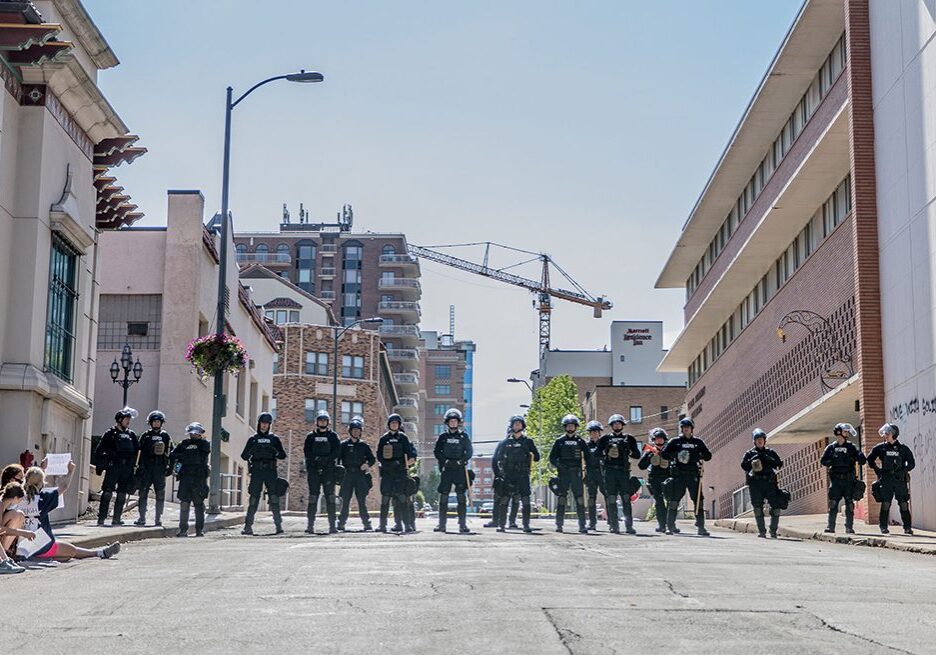
Tensions between the general public and police have become increasingly pronounced. In the past several years, particularly during nationwide demonstrations, people have tried to reexamine the police’s role in the community.
These issues have been covered by our journalists for the past two years. In Flatland’s series “Stopped: Profiling the Police,” our team of reporters and producers sought to turn data into dialogue. Using 20 years’ worth of stop data and a report on racial profiling, the team investigated what this looks like on Kansas City’s streets, highways and byways. What did the data say?




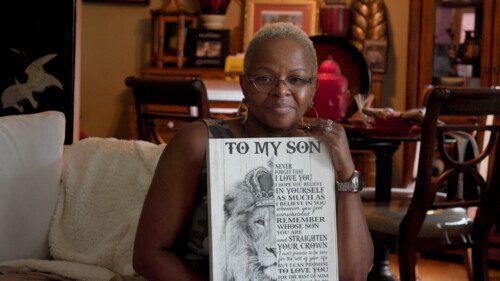
The answer to that question was illuminating, but just the tip of the iceberg. The breadth of our coverage since then has spanned from new approaches to policing to department staffing issues. Now we’ll turn our focus to what the community wants to see in its police department.
Please send your queries to us. The episode of Flatland on Kansas City PBS will use questions and tips you submit to us, elevating the community’s voice and concerns.
Feel free to send tips and suggestions directly to Mary Sanchez at msanchez@kansascitypbs.org or Tweet @msanchezcolumn and Cami Koons, ckoons@kansascitypbs.org or Tweet @koons_cami.
curiousKC is a journalism engagement initiative that aims to connect the community with journalists to tell stories that matter to them.
Vicky Diaz-Camacho covers community affairs for Kansas City PBS.
Reading these stories is free, but telling them is not. Start your monthly gift now to support Flatland’s community-focused reporting.

Related Stories
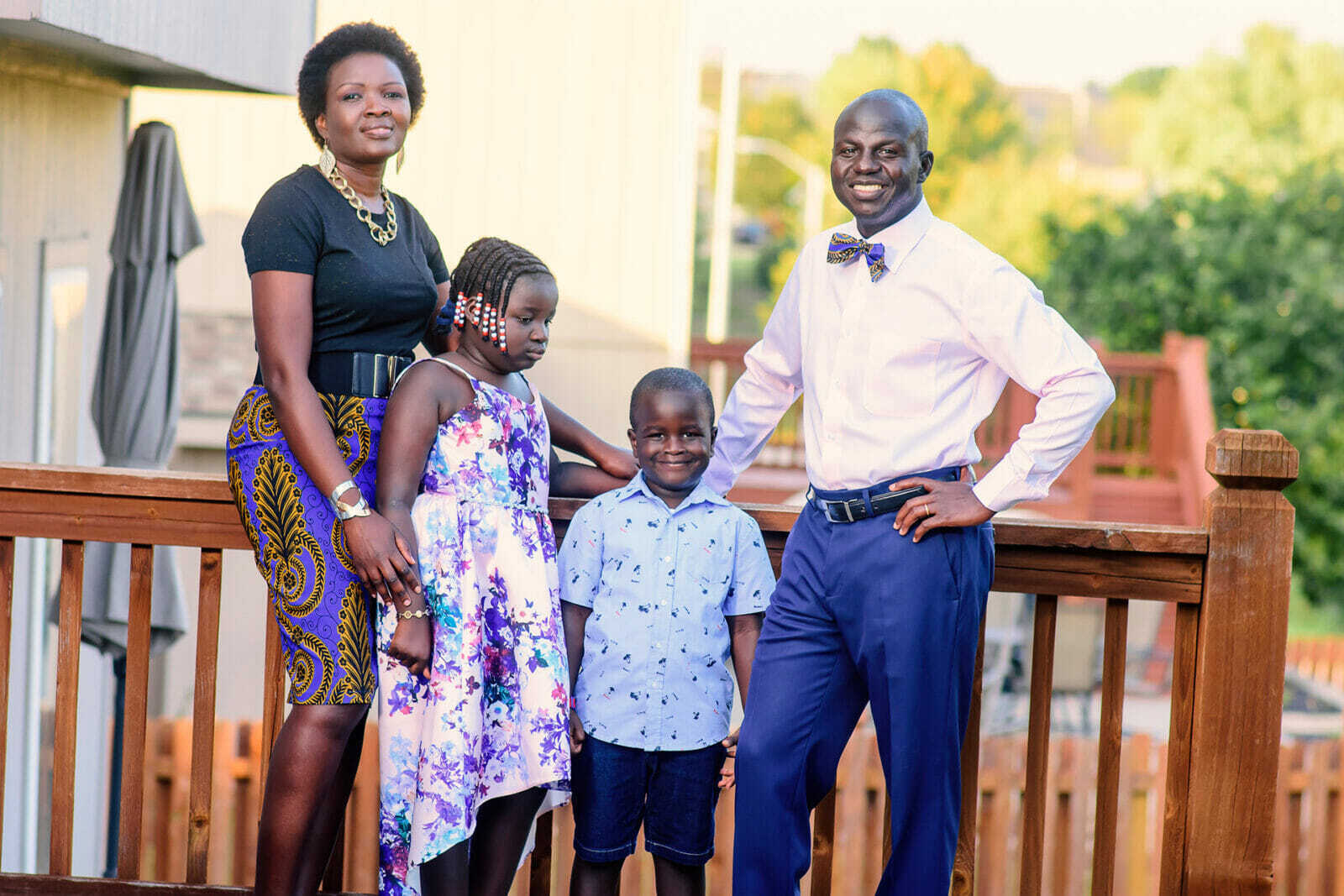
curiousKC | How Refugee Resettlement Works for Those With Careers
How do refugees who had existing lives and careers rebuild in Kansas City? The answer in this curiousKC story.
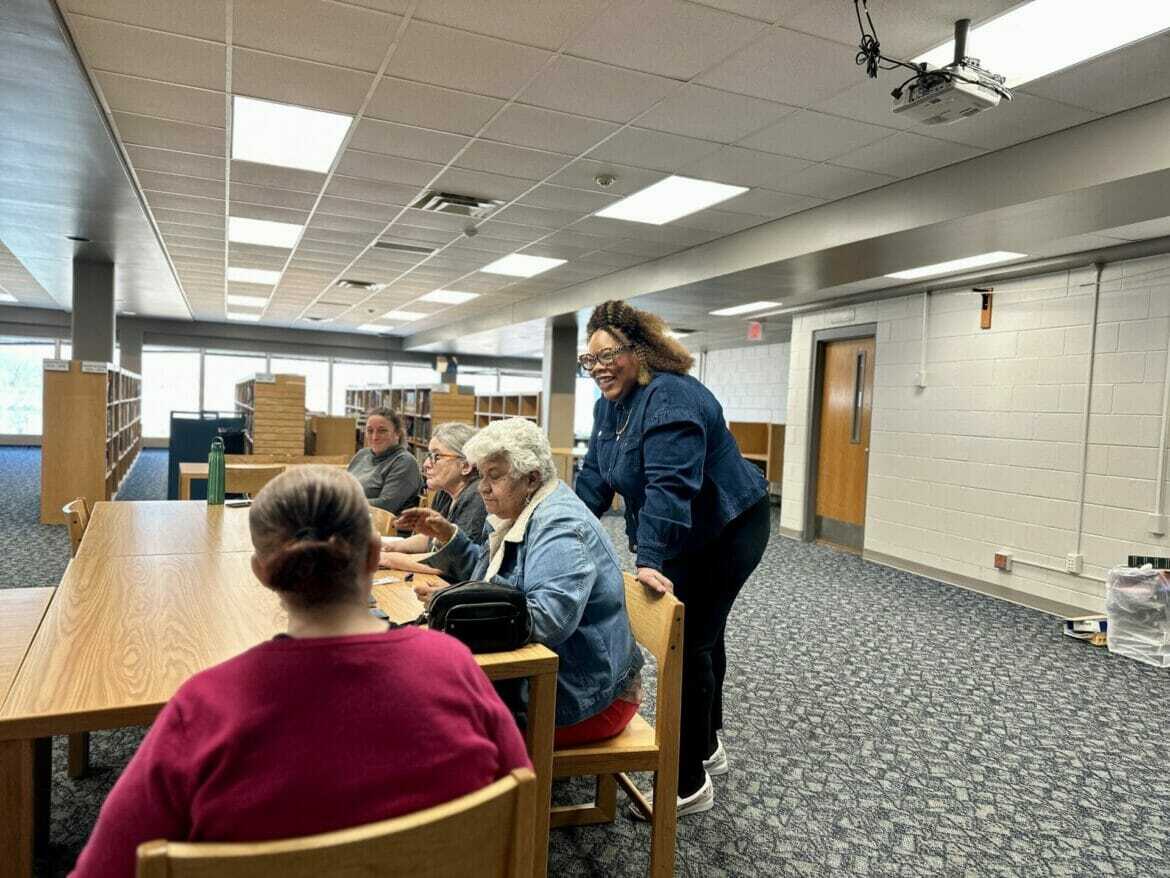
curiousKC | A Resource Guide for Youth with Developmental Disabilities
Here's a guide to transition supports and programs for youth with disabilities in the Kansas City area confronting the "high school cliff."
Confronting the ‘High School Cliff’: What Young Adults with Disabilities Need to Succeed
Four years ago, a Kansas City mom created a program for young adults with disabilities like her son. Today, that program has become a resource for people facing the "high school cliff."