
Kansas City’s Surprising Connection to Japanese Internment Camps
May 12, 2021 | Catherine Hoffman | 1 min read
In the aftermath of the attack on Pearl Harbor, anti-Japanese hysteria gripped the United States.
Early in World War II, President Franklin D. Roosevelt signed Executive Order 9066 commanding that “all persons of Japanese ancestry” be moved into internment camps.
The U.S. the government called them “assembly centers.” But some historians now believe that “concentration camps” might have been more accurate.
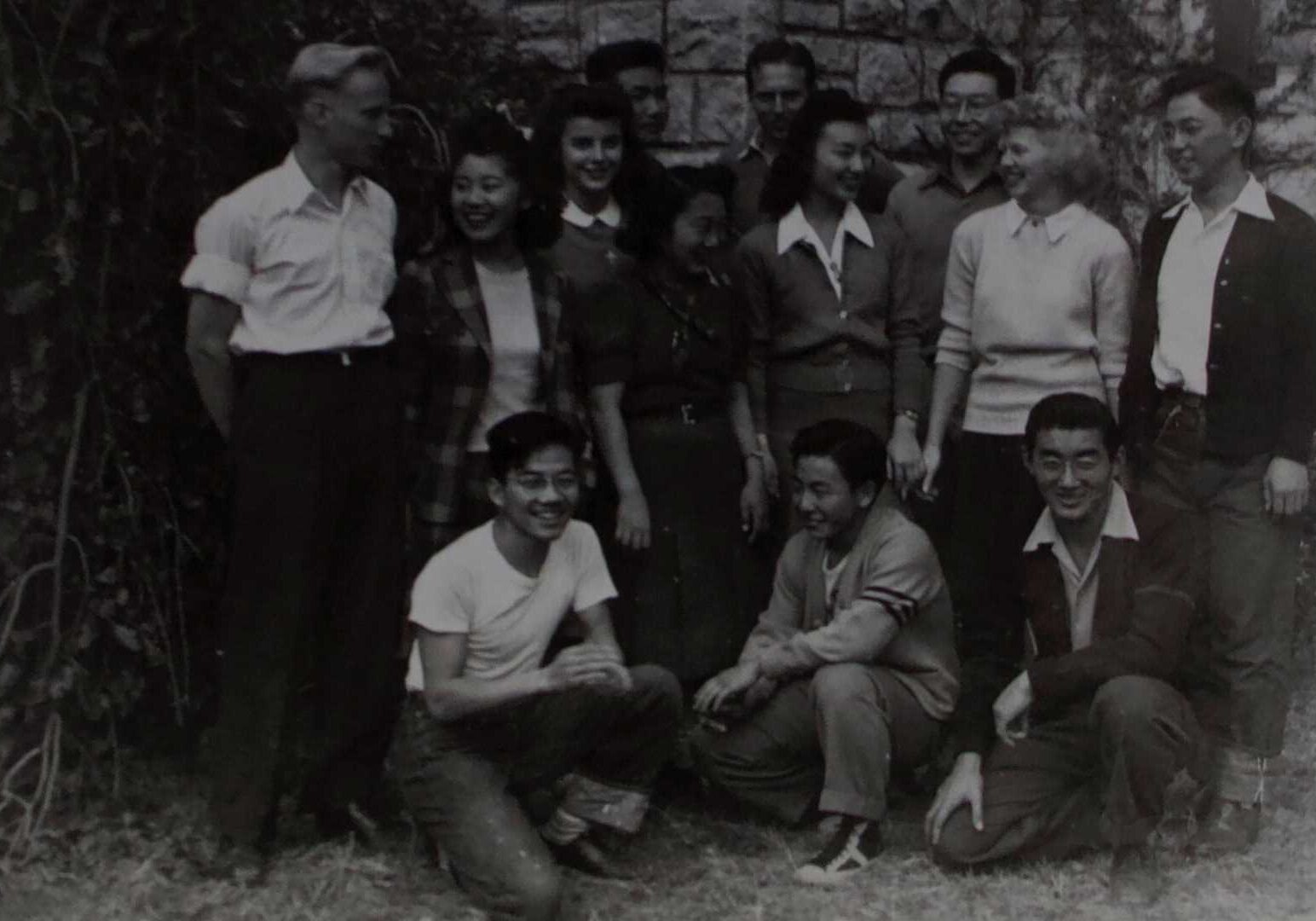
Although there weren’t any camps in the Midwest, a small group of college-aged Japanese American students from internment camps landed at Park College in 1942.
Watch the attached video to learn more about Japanese internment and its surprising connection to Missouri, and how that local history resonates amid the recent surge in anti-Asian hate crimes.
Catherine Hoffman covers community affairs and culture for Kansas City PBS in cooperation with Report for America.

Reading these stories is free, but telling them is not. Start your monthly gift now to support Flatland’s community-focused reporting.
Related Stories
Kansas City Helping Renters Avoid Eviction
On any given Thursday, a small hallway in the Jackson County Courthouse crowds with tenants, landlords, and attorneys arriving for their scheduled hearings and trials. The scene unfolds on Floor 7M, which is half the height of the building’s other levels, and is where Associate Circuit Judge Mary Weir recently worked through 55 eviction cases…
Catholic schism with local ties raises question about religious factionalism
Religious splits are as old as Adam and Eve, but does it really have to be that way?

Nick’s Picks | Costco, Homicides, Rain and More …
Is Missouri's congressional map saga over? It seems so, but who knows if there will be another twist or turn. That story and more ...